Beyond network infrastructure, my experience extends to the strategic design and development of comprehensive enterprise software solutions. This involved leading initiatives to build complex, integrated platforms—often from the ground up—including ERP, SCM, CRM, and BPMS, tailored to meet specific industry challenges and drive measurable business outcomes.
Enterprise Resource Planning (ERP) Systems
Spearheaded the development of robust ERP solutions designed as centralized hubs for managing core business operations. These systems were architected for flexibility, scalability, and performance, moving beyond off-the-shelf limitations to provide tailored functionality.
Key Architectural Principles & Modules:
- Modular Microservices Architecture: Designed systems with independent modules (Financials, HR, Inventory, Manufacturing, Procurement, Project Management) allowing for flexible deployment, easier upgrades, and enhanced resilience.
- Financial Management Core: Comprehensive GL, AR/AP, asset management, multi-dimensional accounting, budgeting, and forecasting capabilities.
- Integrated Operations: Seamless flow of information between inventory control (real-time tracking, WMS), manufacturing (MRP, shop floor control, costing), and procurement processes.
- Human Capital Management: Modules covering personnel administration, payroll, time/attendance, and talent management functions.
- Cloud-Native & On-Premise Options: Engineered solutions optimized for cloud deployment (containerization) while retaining options for traditional on-premises installations. API-first design ensured extensive integration capabilities.
- Industry Customization: Successfully adapted and deployed ERP foundations across diverse sectors including Manufacturing, Government, Education, and Healthcare, incorporating specific workflows and compliance requirements.
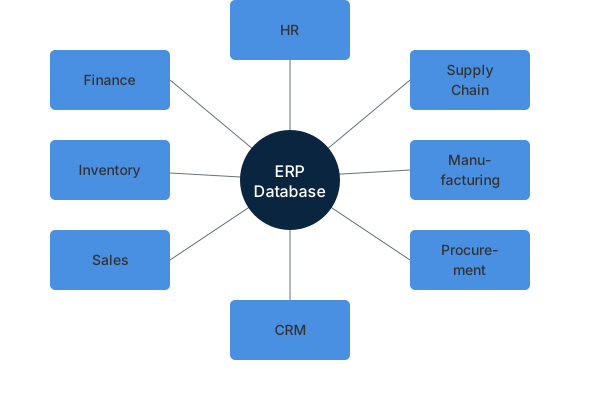 Fig 1: Representation of interconnected ERP modules.
The focus was on creating truly integrated systems that provided a single source of truth and enabled data-driven decision-making across the entire organization.
Supply Chain Management (SCM) Optimization
Led the design of end-to-end SCM solutions aimed at optimizing the intricate flow of goods, services, and information. These platforms incorporated real-time visibility, advanced analytics, and intelligent automation to address modern supply chain complexities.
Key Capabilities & Innovations:
- Advanced Demand Planning: Utilizing statistical models, machine learning algorithms, and collaborative forecasting workflows to improve accuracy across multiple hierarchies (product, channel, region).
- Intelligent Inventory Optimization: Implementing multi-echelon optimization techniques and dynamic safety stock calculations based on service levels and variability to minimize carrying costs while preventing stockouts.
- Warehouse & Transportation Management: Incorporating advanced WMS features (slotting, task optimization) and TMS capabilities (route optimization, carrier management).
- Real-Time Visibility & Analytics: Leveraging IoT integration for end-to-end tracking and employing digital twin concepts for modeling and simulation. Prescriptive analytics provided AI-driven optimization recommendations.
- Blockchain for Traceability: Exploring and integrating blockchain technology to enhance transparency, provenance tracking, and trust across the supply chain ecosystem.
- Quantifiable Business Impact: Solutions consistently delivered significant improvements, including reduced inventory costs (15-25%), improved forecast accuracy (10-20%), decreased transportation costs (8-15%), and faster order fulfillment cycles (30-40%).
These SCM systems transformed supply chains from cost centers into strategic assets, enhancing responsiveness, resilience, and efficiency.
Customer Relationship & Business Process Management (CRM/BPMS)
Developed unified platforms focused on enhancing customer engagement and optimizing internal business processes. This involved creating sophisticated CRM systems alongside powerful Business Process Management Suites (BPMS).
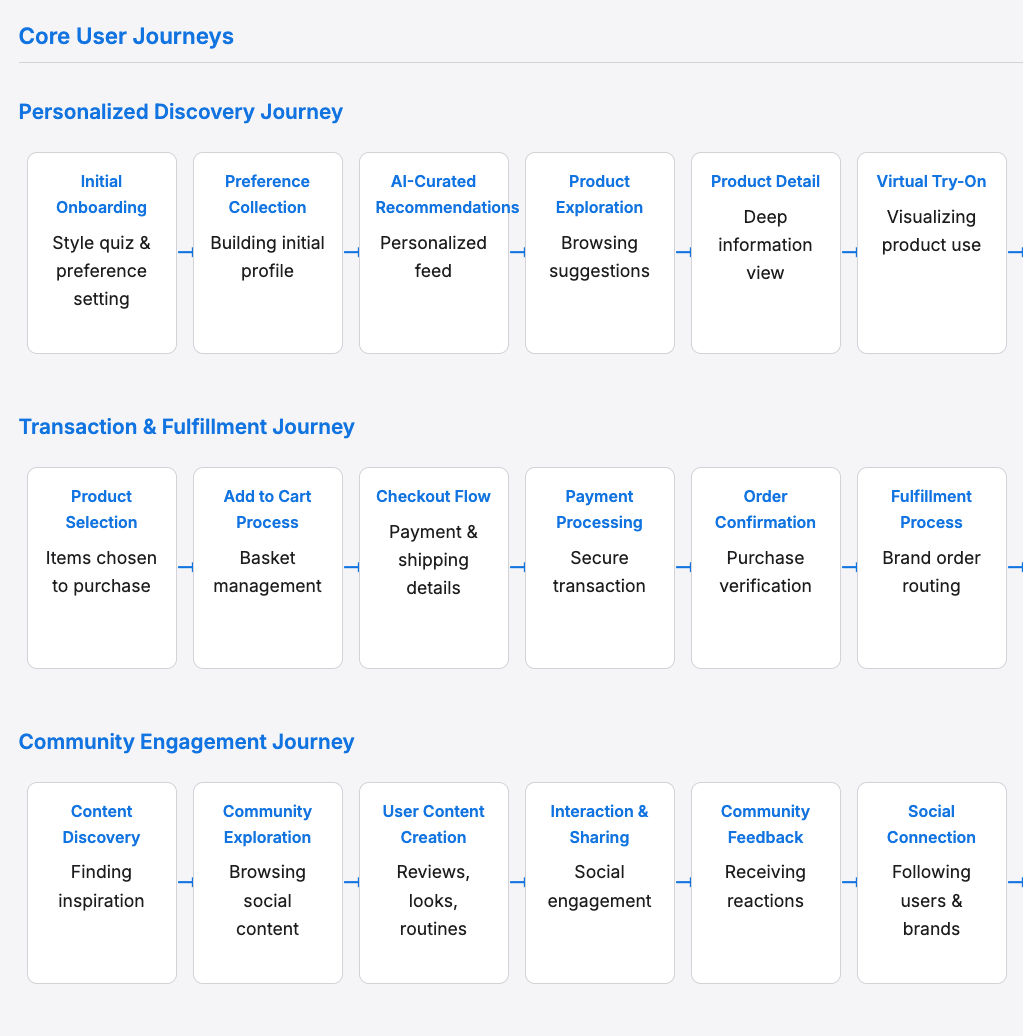 Fig 2: Visualization of customer engagement and process optimization.
Key Functional Areas:
- CRM Core Capabilities: Comprehensive modules for Sales Force Automation (lead/opportunity/account management, forecasting), Marketing Automation (campaigns, scoring, email), and Customer Service (case management, knowledge base, SLAs).
- BPMS Engine: Tools for visual process modeling (BPMN 2.0), robust workflow automation, a flexible business rules engine (separating logic from process), and real-time process analytics for monitoring and optimization.
- AI-Powered Enhancements: Integrating AI for predictive customer insights, behavioral analysis, sentiment analysis (Voice of Customer), next-best-action recommendations in CRM, and process mining/optimization suggestions in BPMS.
- Omnichannel & Integration: Ensuring a consistent customer experience across all touchpoints and providing an API-first approach for seamless integration with ERP, e-commerce platforms, communication tools, and other enterprise systems.
- Focus on User Experience: Designing intuitive interfaces and mobile-first accessibility to drive user adoption and productivity.
By integrating customer-facing strategies with streamlined internal operations, these solutions enabled organizations to build stronger customer loyalty, improve efficiency, and achieve significant gains in sales productivity and service quality.